
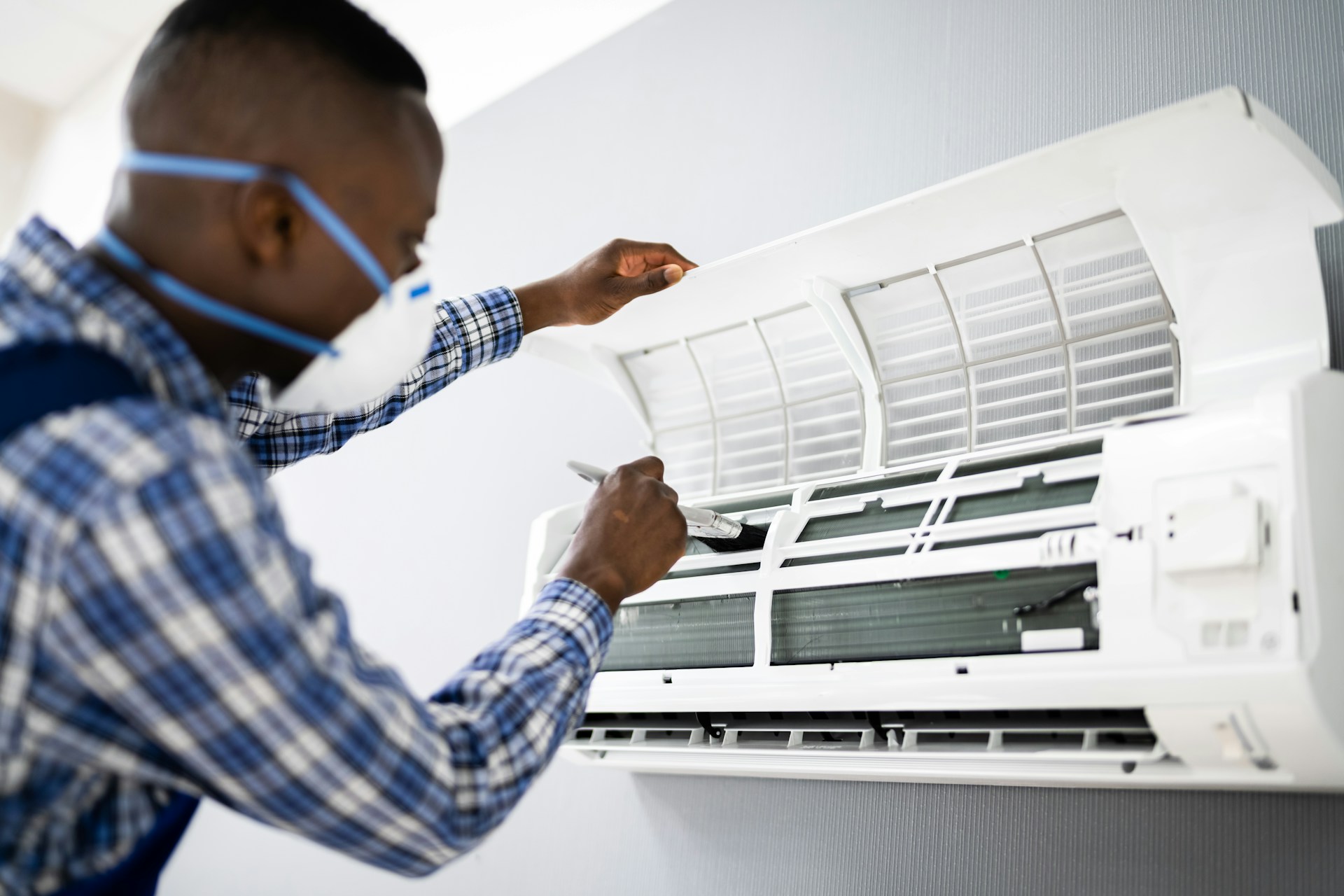
Feeling comfortable in your home relies heavily on a well-functioning air conditioning system. However, as time passes, even the most reliable units may show signs that they need an upgrade. Recognising these signs early can help you avoid costly repairs and ensure you maintain a pleasant indoor environment.
Inadequate Cooling and Inconsistent Temperatures
If your air conditioner no longer cools your home efficiently, it might be showing signs of wear. As air conditioners age, their ability to maintain a consistent temperature tends to decline. You might notice some rooms are cooler than others, or the unit is struggling to reach the set temperature on extremely hot days.
Several factors can cause inadequate cooling:
1. Refrigerant Issues: Low refrigerant levels can reduce an AC’s cooling ability. If you constantly need to recharge your system, this might mean the unit has leaks or is outdated.
2. Dirty or Failing Components: Over time, components like filters and evaporator coils can get clogged, hampering performance. If cleaning or replacing these parts doesn’t fix the issue, it may be time for a new system.
3. Incompatible Sizing: An air conditioner that’s too small for your space won’t cool adequately. If you’ve recently renovated or added space without updating the system, consider whether your AC can handle the increased load.
Addressing cooling problems that don’t have a simple fix often suggests your unit might be nearing the end of its useful life. Opting for a replacement can restore consistent comfort and potentially lower energy use.
Unusual Noises and Odours
It’s normal for air conditioners to make a bit of noise as they operate, but unusual sounds can indicate serious problems. Grinding, squealing, or banging sounds aren’t normal and could point to issues like loose components or failing motors. If you hear these noises regularly, your air conditioner might be telling you it’s had enough.
Bad smells are another common warning sign. Musty odours can mean mold or mildew has developed inside the AC or its vents, while burning smells might indicate overheating wiring or insulation problems. Here are some noises and their possible meanings:
1. Squealing or Screeching: This often indicates problems with the fan belt or motor bearings. If left unchecked, these parts can fail completely.
2. Banging or Clanking: These sounds could indicate loose or broken internal parts, such as a motor mount or connecting rod.
3. Rattling: This may mean debris is trapped in the system, though if persistent, it could suggest structural issues.
If strange smells and noises persist despite simple maintenance actions, it might be wise to consider replacing your air conditioner. A new unit can eliminate these disturbances, ensuring your home remains a serene and cool place to be.
Escalating Energy Bills
A noticeable increase in your energy bills without a change in usage habits might signal that your air conditioner is working harder than it should. Older units often lose efficiency as they age, needing more electricity to maintain the same level of cooling.
Here’s why your energy bills might be climbing:
1. Worn-Out Components: Components like motors and compressors can deteriorate over time, leading to increased energy usage as the system works harder to cool your space.
2. System Overload: An air conditioner struggling with cooling demands will run for longer periods, consuming more power as a result.
3. Outdated Technology: Newer units incorporate advanced technology designed to be energy efficient, helping to keep utility costs down. If your system is more than 10 years old, it likely lacks these improvements.
Consistently high energy bills indicate inefficiencies that a new, energy-efficient unit can solve. Replacing an old air conditioner with a modern one can lead to significant savings over time and improve comfort in your home.
Frequent Repairs and Age Factors
If you find yourself frequently calling the repair technician, your air conditioner might be reaching the end of its lifespan. The costs of regular repairs can quickly add up, sometimes reaching a point where a replacement is more economical.
Consider these points when weighing repairs against a replacement:
1. Repeated Breakdowns: Regular issues, even if minor, can disrupt comfort and drain your wallet over time.
2. Costly Repairs: Major repairs, such as replacing the compressor, can be expensive and may not be worth it for older units.
3. Longevity of the Unit: Most air conditioning systems last around 10 to 15 years. If your unit is approaching this age, efficiency and performance likely have declined, signalling it’s time for an upgrade.
Assessing the age and repair history of your unit can help decide if investing in a new system is the smarter choice. A new air conditioner can guarantee reliable performance and fewer service calls, saving you money and hassle in the long run.
Conclusion
Deciding to replace your air conditioner requires careful consideration of its performance and cost-efficiency. Recognising the signs of an ageing unit can help you avoid further discomfort and unexpected expenses. By addressing issues like inadequate cooling, strange noises, rising energy bills, and frequent repairs, you protect both your comfort and your budget.
Whether your air conditioner softly murmurs or grunts loudly, don’t let it stress you out. At Western Elec, our friendly team can guide you through checking your system and upgrading to a new, efficient unit. A smooth-running air conditioner is just a step away with our affordable air conditioner installation—contact us to start your hassle-free journey to crisp, cool comfort!

